


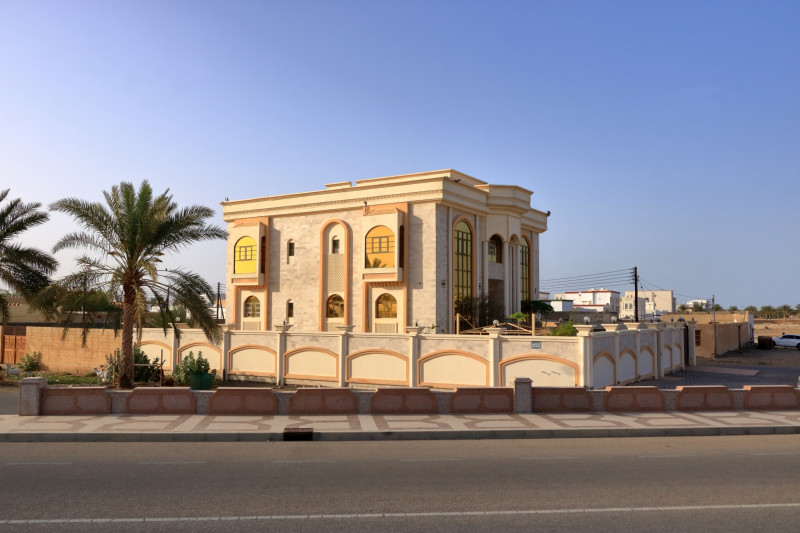
Why Oman Is Becoming a Strategic Investment Market in 2026
Oman is entering a defining phase in its real estate evolution, supported by national economic diversification, tourism expansion, and infrastructure development under Oman Vision 2040. For international investors, this shift represents an early stage entry opportunity into a Gulf market that is still in structured growth rather than full maturity.
Unlike more saturated GCC markets where pricing is driven by established investor cycles, Oman still offers relatively accessible entry points combined with long term appreciation potential. This creates a unique environment where investors can position early before broader international capital inflows fully compress yields and increase acquisition costs.
The most important factor in 2026 is timing. Investors entering now are positioning within a market that is still being shaped by infrastructure expansion, tourism integration, and regulatory evolution.
At Yaqeen Reality, our focus is on guiding investors through this early cycle phase with structured insight and long term value alignment.
Quick Investment Summary: Oman Real Estate 2026
Oman’s property market is defined by several core fundamentals that make it increasingly relevant for international investors.
- Foreign investors can access freehold ownership in designated Integrated Tourism Complexes
- Muscat remains the primary rental and liquidity hub
- Tourism driven developments are increasing occupancy and rental stability
- Entry prices remain lower than most GCC investment markets
- Government infrastructure investment is supporting long term capital growth
- Residency linked property benefits may apply in qualifying categories
- Demand is expanding from GCC, European, and Asian investors
These fundamentals position Oman as an emerging alternative to more expensive and mature Gulf property markets.
Market Overview: Why Oman Is Attracting Global Investors
Oman’s real estate sector is being reshaped by structural economic transformation. The government is actively reducing reliance on oil revenues while expanding tourism, logistics, and foreign investment sectors.
This transformation is directly influencing real estate demand across residential, hospitality, and mixed use developments. Unlike speculative cycles seen in more mature markets, Oman’s growth is infrastructure led and policy supported.
Key drivers include:
- Expansion of tourism infrastructure and hospitality destinations
- Development of integrated lifestyle and residential communities
- Increased foreign direct investment inflows
- Growth in expatriate population supporting rental demand
- Large scale national infrastructure projects improving connectivity
This creates a more stable long term investment environment with gradual appreciation potential rather than volatile price cycles.
Can Foreigners Buy Property in Oman
Yes. Foreign nationals can legally purchase property in Oman within designated freehold zones known as Integrated Tourism Complexes. These areas are specifically designed to attract international investment and provide secure ownership structures.
Within these zones, investors can acquire residential units with full ownership rights in master planned communities that often include hospitality, retail, and lifestyle infrastructure.
Key benefits include:
- Full freehold ownership in approved developments
- Secure legal framework for international buyers
- Strong rental demand from expatriates and tourists
- Long term asset security supported by regulation
- Access to premium lifestyle amenities
This framework significantly reduces barriers for foreign investors compared to many regional markets.
Residency Through Property Investment in Oman
Property investment in Oman may offer eligibility for residency linked benefits depending on investment category and regulatory criteria. This adds a strategic lifestyle dimension to investment decisions.
For many international buyers, this creates dual value. The property functions both as a financial asset and as a potential pathway for long term residence in a stable GCC environment.
Common motivations include:
- Long term relocation planning
- Regional business access
- Retirement and lifestyle positioning
- Increased mobility within the Gulf region
Regulatory conditions can change, so professional advisory support is essential before structuring investment decisions.
Tourism Integrated Developments Driving Market Growth
A major structural shift in Oman’s real estate landscape is the rise of tourism integrated developments. These are master planned communities combining residential, hospitality, retail, and leisure infrastructure.
They are designed to create destination ecosystems rather than standalone housing projects.
Key features driving investor demand include:
- Waterfront and marina based communities
- Branded residences with hotel services
- Golf integrated lifestyle developments
- Wellness and resort style infrastructure
- Retail and entertainment integrated districts
These developments typically outperform traditional residential assets due to stronger occupancy rates and diversified income streams.
Best Places to Invest in Oman Real Estate 2026
Oman’s investment geography is concentrated but strategically diverse, offering different risk and return profiles depending on location and asset type.
Muscat: Core Market Stability
Muscat remains the most established and liquid property market in Oman. It is the primary hub for expatriates, government activity, and international business.
Key strengths include:
- Stable rental demand across residential sectors
- Strong infrastructure and public services
- International schools and employment hubs
- High quality residential developments
- Long term capital preservation potential
Muscat is considered the lowest risk entry point for foreign investors.
Al Mouj: Premium Waterfront Investment Zone
Al Mouj is one of Oman’s most recognized luxury lifestyle communities, designed for high end residential and international appeal.
Key advantages include:
- Marina waterfront living environment
- Golf integrated master planning
- Strong international tenant demand
- Premium retail and dining infrastructure
- High end lifestyle positioning
Al Mouj typically delivers stronger rental performance due to lifestyle driven demand.
Yiti and Emerging Coastal Zones
Yiti represents early stage investment opportunity within Oman’s future development pipeline. These areas are supported by large scale government backed master plans.
Key investor drivers include:
- Early cycle pricing advantages
- Strong long term appreciation potential
- Future tourism demand expansion
- Large scale infrastructure development
- Strategic coastal transformation plans
These zones carry higher risk but also higher upside potential.
Salalah: Tourism and Seasonal Demand Market
Salalah is a growing tourism driven investment destination with strong seasonal appeal and natural landscape advantages.
Key factors include:
- Seasonal tourism inflows
- Holiday home investment potential
- Expanding hospitality sector
- Natural climate differentiation
- Long term tourism growth outlook
Salalah is best suited for lifestyle and tourism focused investors.
Luxury Villas and High End Demand in Muscat
Luxury real estate in Muscat is driven by long term residency, expatriate relocation, and high net worth lifestyle demand. Villas in gated communities tend to outperform apartments in tenant stability and occupancy quality.
Demand is supported by proximity to international schools, business districts, and integrated lifestyle infrastructure.
Luxury investment drivers include:
- Strong long term tenant demand
- High quality infrastructure access
- Secure gated community environments
- Limited premium supply
- Stable capital preservation characteristics
Oman vs Dubai Real Estate Investment Comparison
Oman and Dubai represent fundamentally different investment profiles within the GCC.
Dubai is a mature, highly liquid market with strong short term resale activity. Oman is an emerging market with earlier stage growth dynamics and lower entry pricing.
Key distinctions include:
- Oman offers lower entry pricing than Dubai
- Dubai provides higher liquidity and faster resale cycles
- Oman offers earlier stage capital appreciation potential
- Dubai has more saturated investor competition
- Oman remains in infrastructure driven growth phase
- Both markets support foreign ownership structures
From a portfolio perspective, Oman is increasingly used as a diversification strategy alongside mature GCC holdings.
Investment Scenarios: How Buyers Approach Oman
Different investor profiles require different strategies.
Capital growth investors typically focus on emerging zones such as Yiti where early entry pricing offers higher upside potential. Rental income investors prioritize Muscat and Al Mouj where occupancy and tenant demand are more established.
Lifestyle investors tend to prioritize waterfront and branded developments that combine living quality with long term value retention.
Aligning strategy with asset selection is critical to achieving long term investment success.
Rental Yields and ROI Outlook in Oman
Oman offers a balanced yield environment supported by stable demand fundamentals rather than speculative spikes. Returns are strongest in established master planned communities where tenant demand is consistent.
ROI performance should be evaluated using both rental yield and capital appreciation potential rather than short term income alone.
Key drivers include:
- Location quality and infrastructure access
- Developer reputation and project delivery history
- Tenant demand from expatriates and tourism
- Long term market development trajectory
Disciplined asset selection is the primary determinant of investment success.
Risks and Considerations
Oman is a stable investment environment, but all real estate markets require structured due diligence.
Key considerations include:
- Developer track record and delivery capability
- Liquidity differences across locations
- Exit strategy planning and holding period expectations
- Legal ownership structure clarity
- Market timing and entry positioning
Professional advisory support can significantly reduce risk exposure.
Why Work With Yaqeen Reality
Yaqeen Reality operates as a strategic advisory partner for international investors entering the Oman real estate market. Our focus is not on transactional property sales, but on helping clients make informed, long term investment decisions based on market fundamentals, risk awareness, and value potential.
Oman is still an emerging investment market, which means outcomes depend heavily on correct asset selection, developer quality, and location strategy. Our role is to simplify that complexity and provide clarity at every stage of the decision making process.
We support overseas investors, GCC buyers, and expatriates who need structured guidance when evaluating opportunities in a developing market environment.
Our support typically includes:
- Guidance on freehold ownership zones and eligibility
- Evaluation of developers and project credibility
- Location selection based on rental demand and growth potential
- Investment structuring aligned with long term goals
- Exit strategy awareness for capital planning
Our approach is built on transparency, market knowledge, and long term alignment rather than short term sales cycles. The goal is to ensure every investment decision is supported by clear reasoning and not market noise.
At Yaqeen Reality, we help investors move with clarity, confidence, and certainty in a market that is still shaping its long term value trajectory.
FAQ
Is Oman a good place to invest in property in 2026?
Yes. Oman is an emerging GCC property market with strong long term growth potential driven by tourism expansion, infrastructure development, and foreign ownership reforms.
Can foreigners buy property in Oman?
Yes. Foreign buyers can purchase freehold property in designated Integrated Tourism Complexes that offer full ownership rights and access to lifestyle developments.
What are the best areas to invest in Oman real estate?
Muscat, Al Mouj, Yiti, and Salalah are the most notable investment locations depending on whether you prioritise stability, rental income, or long term capital growth.
What are property prices like in Oman compared to other GCC countries?
Oman remains more affordable than many GCC markets, including Dubai and Doha, making it attractive for early stage investors seeking value entry points.
Can buying property in Oman lead to residency?
Yes. Certain property investments may qualify for residency linked benefits depending on government regulations and minimum investment thresholds.
Is rental demand strong in Oman?
Yes. Rental demand is supported by expatriate populations, tourism growth, and demand for quality housing in major urban and coastal developments.
Is Oman better for investment or lifestyle buyers?
It depends on the strategy. Muscat and Al Mouj suit stable rental investors, while emerging coastal areas are more suitable for long term capital growth investors.
Do international investors actively buy in Oman?
Yes. Interest is increasing from GCC countries, Europe, and Asia as Oman becomes more visible as a stable and early cycle investment market.
Final Investment Insight
Oman’s real estate market in 2026 represents an early stage growth opportunity within the GCC. It combines affordability, structural government support, and expanding tourism demand.
For investors seeking long term positioning rather than speculative cycles, Oman offers a strategically relevant entry point.
Success depends on timing, location selection, and access to accurate investment guidance.